
Featured collections





Featured Products
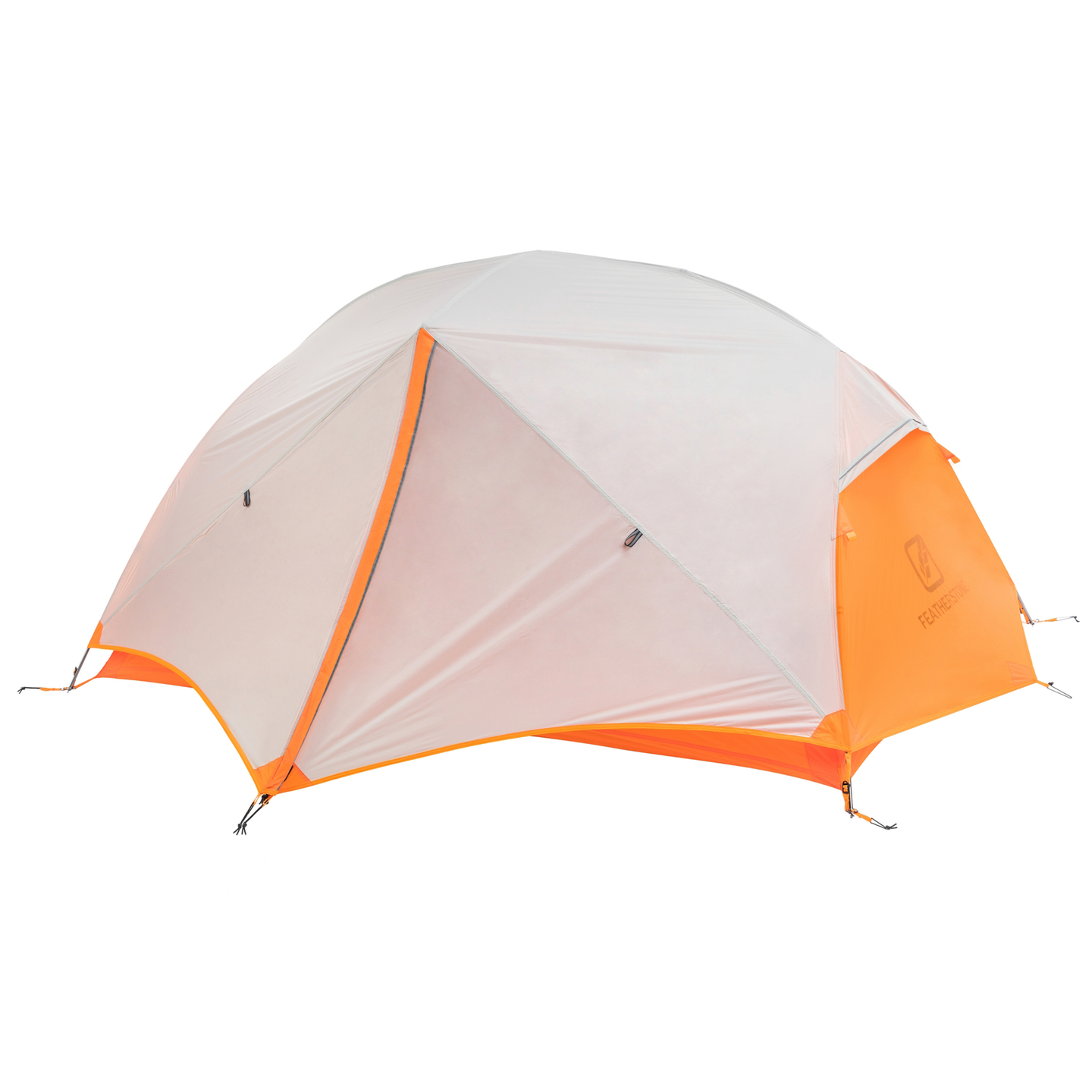

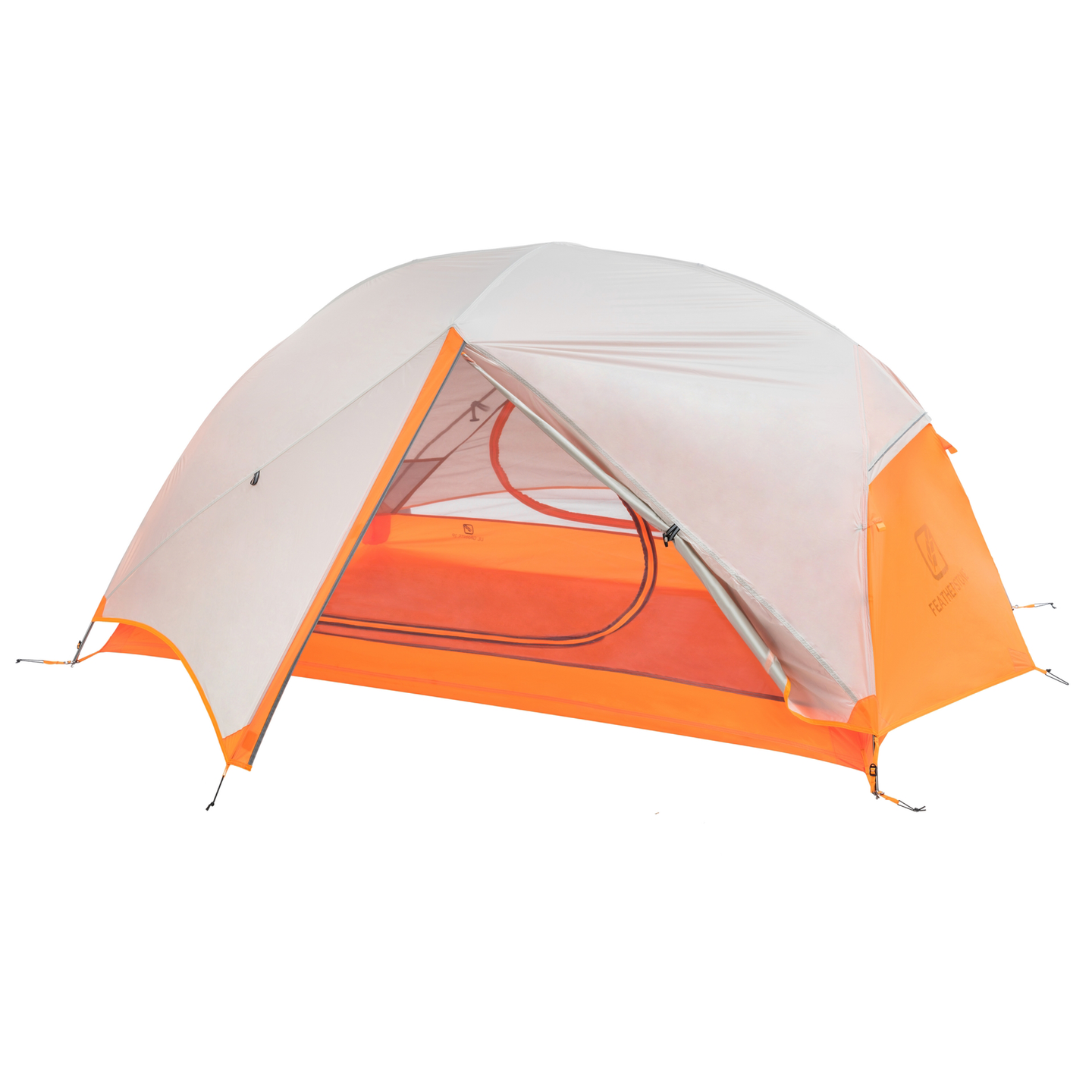
Featherstone Granite 2P Backpacking Tent
Regular price
$149.99
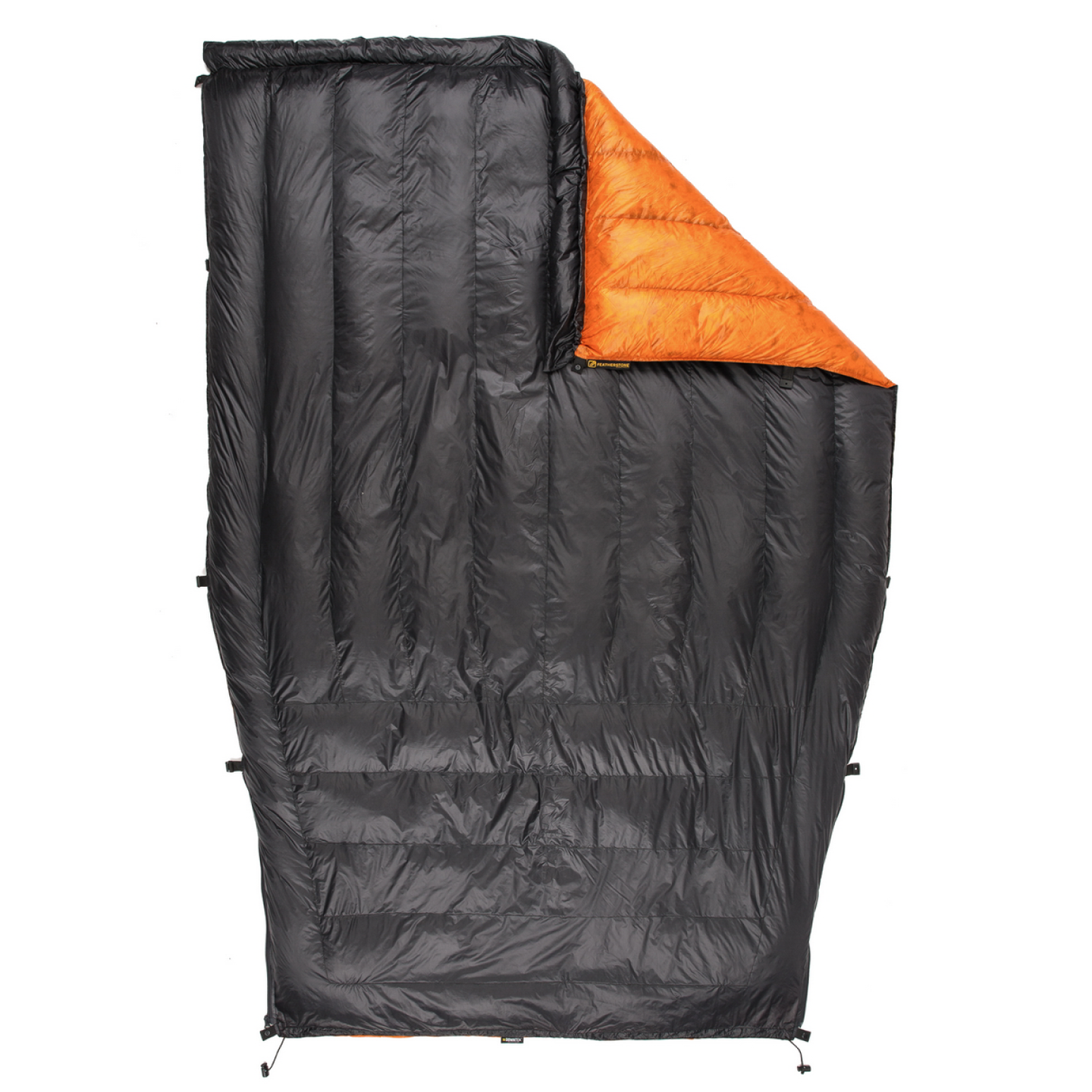

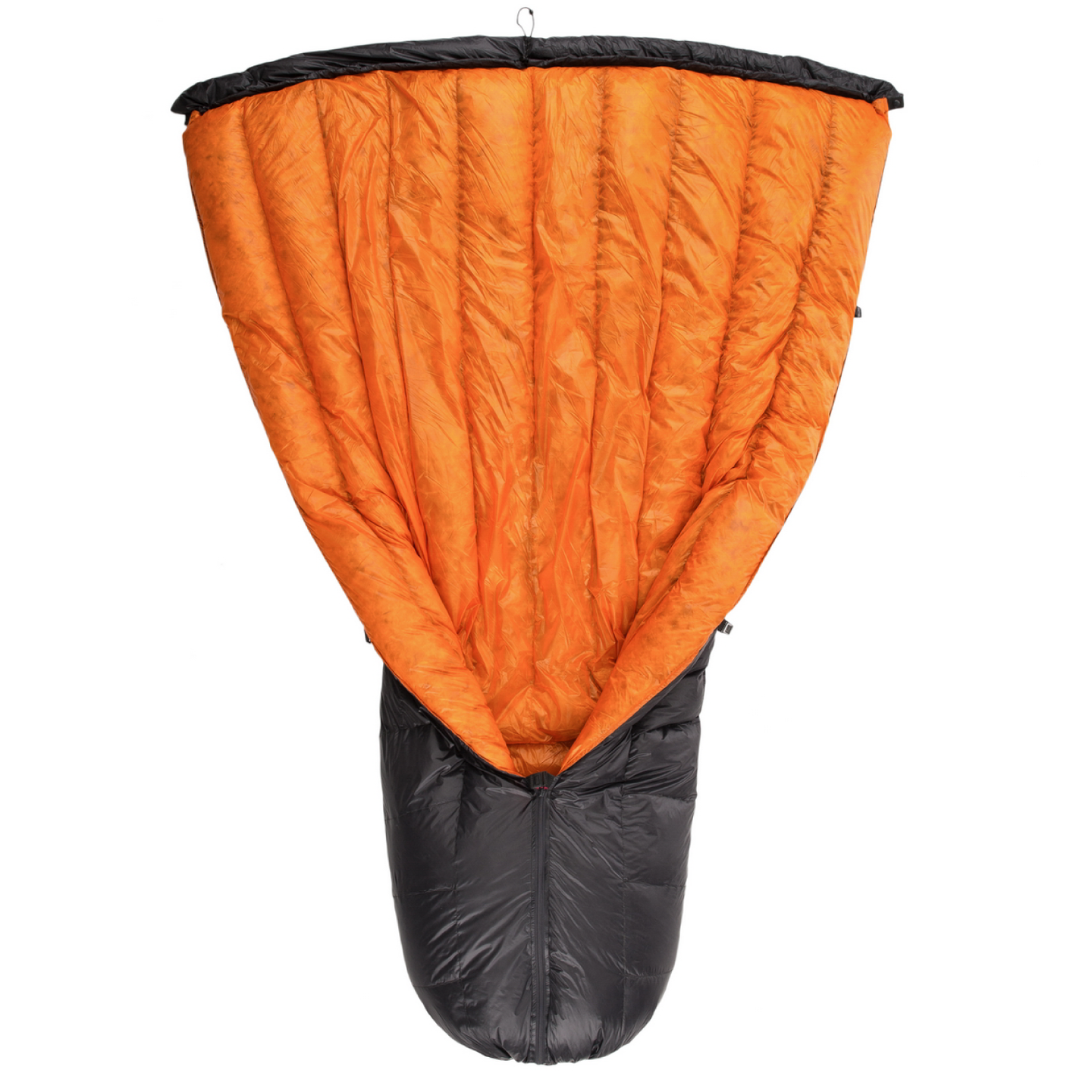
Featherstone Moondance 25 Top Quilt Sleeping Bag Alternative
Regular price
From $269.99


2026 Update
Featherstone Calcatta Air Sleeping Pad R-Value 6.6
Regular price
$119.99


Featherstone Moondance 25 Top Quilt Sleeping Bag Alternative
Regular price
From $269.99


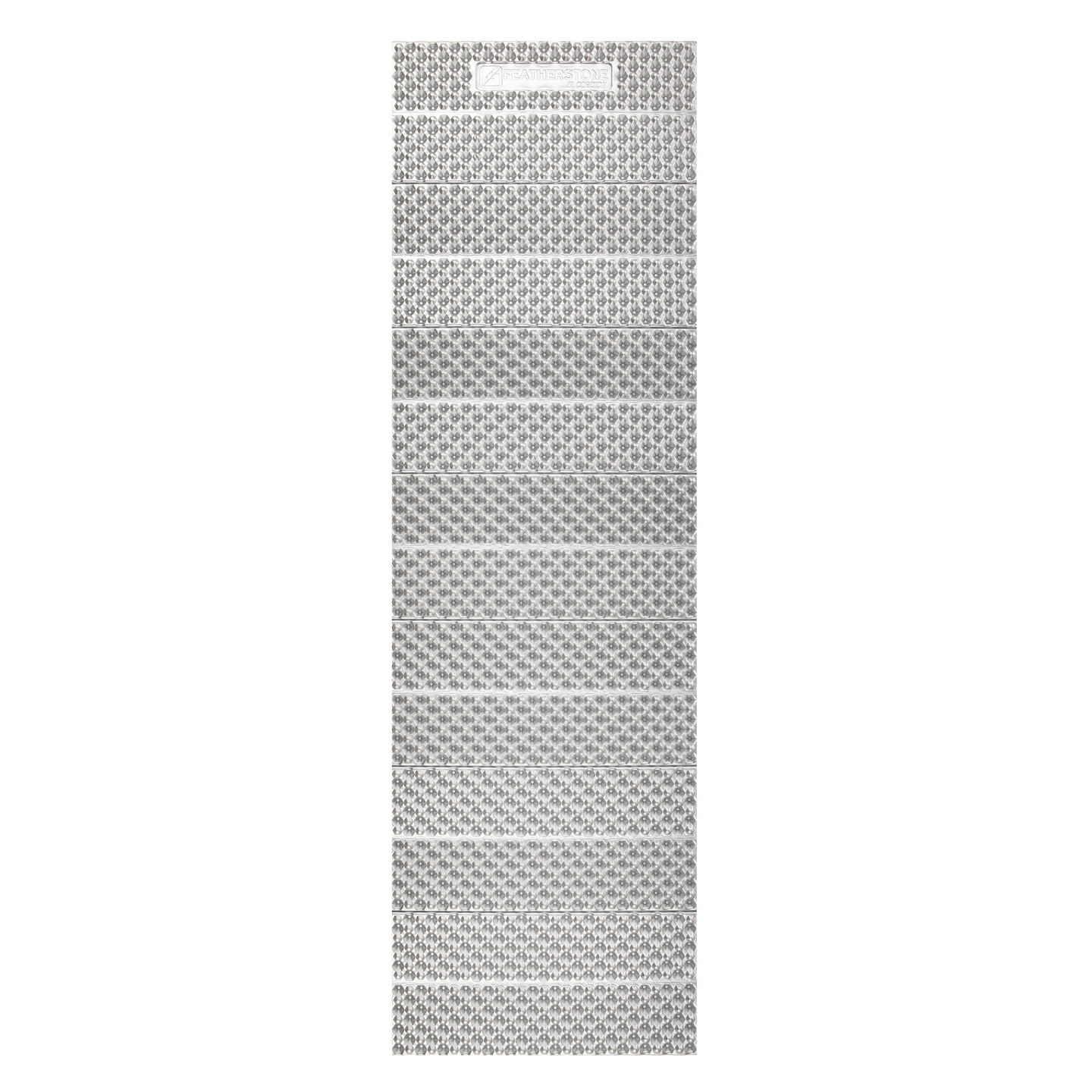
EL Cordion Ultralight Closed Cell Foam Sleeping Pad
Regular price
$39.99
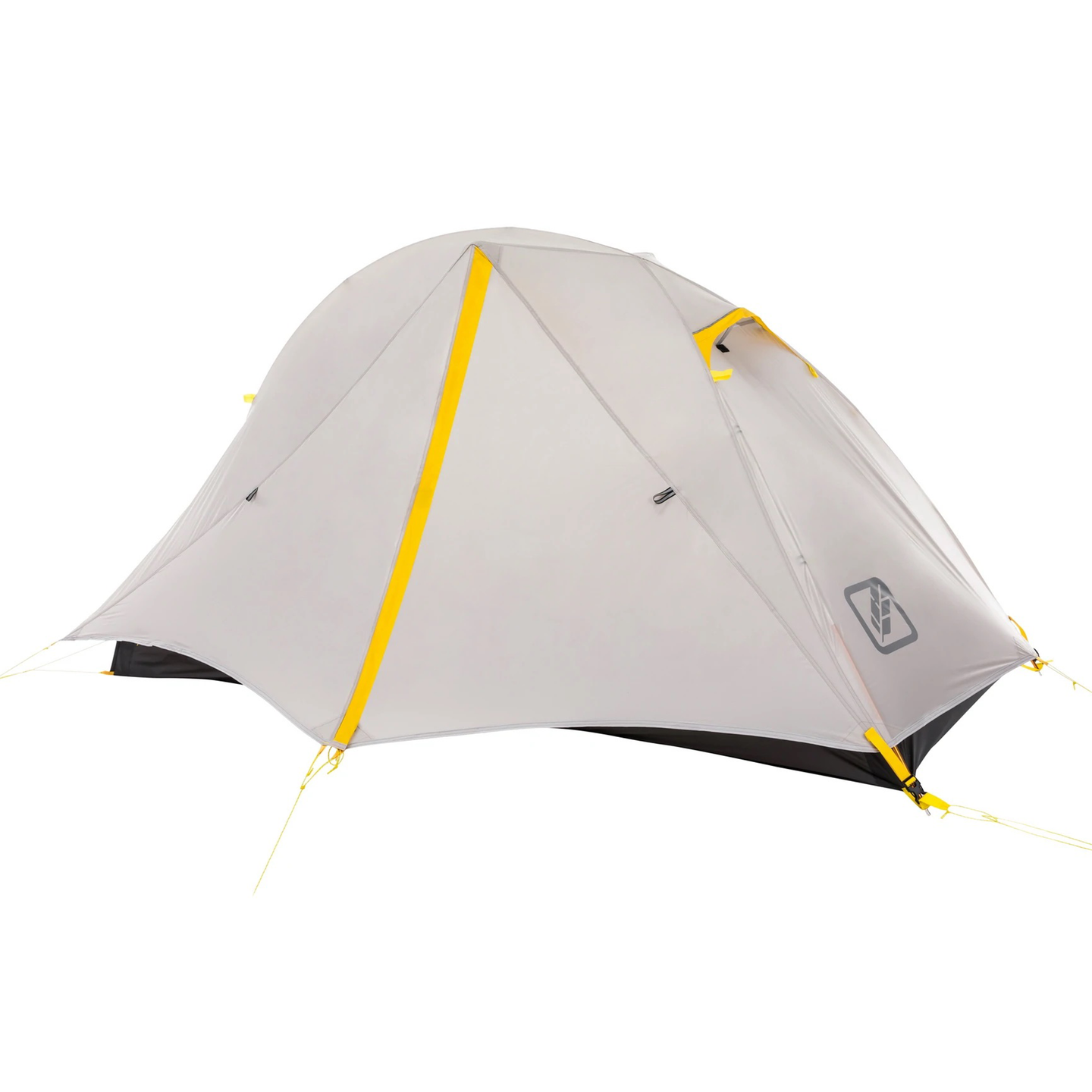

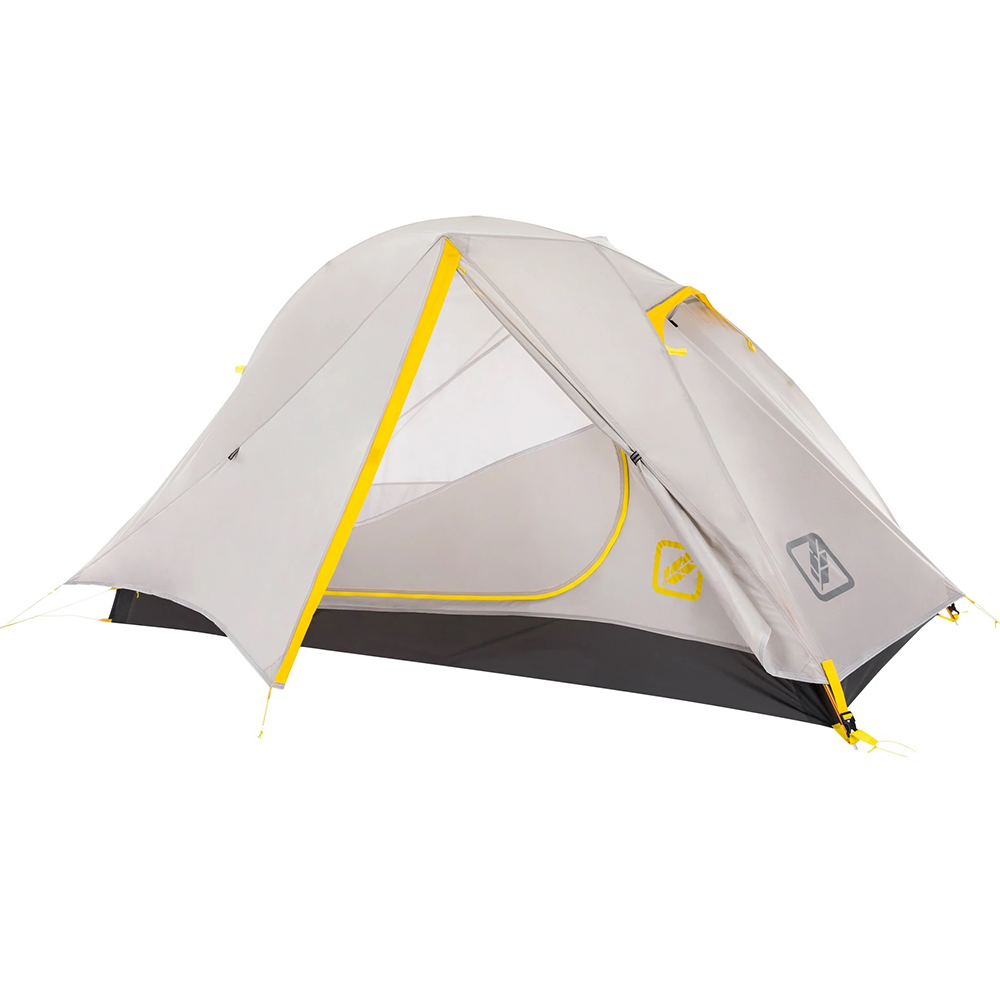
Featherstone Obsidian 1 Person Backpacking Tent
Regular price
$129.99


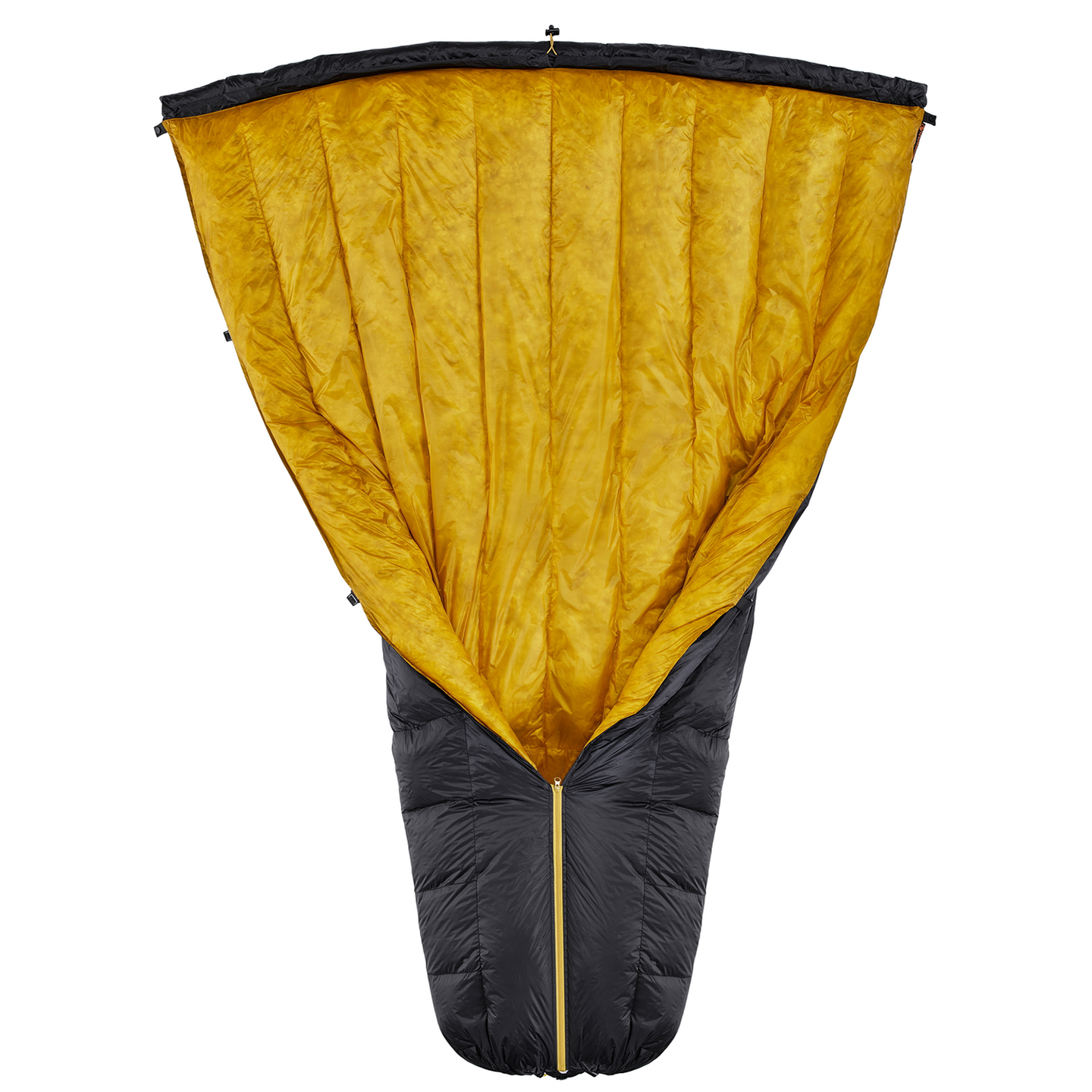
Featherstone Moondance 25 Top Quilt Sleeping Bag Alternative
Regular price
From $269.99

Sold out
New
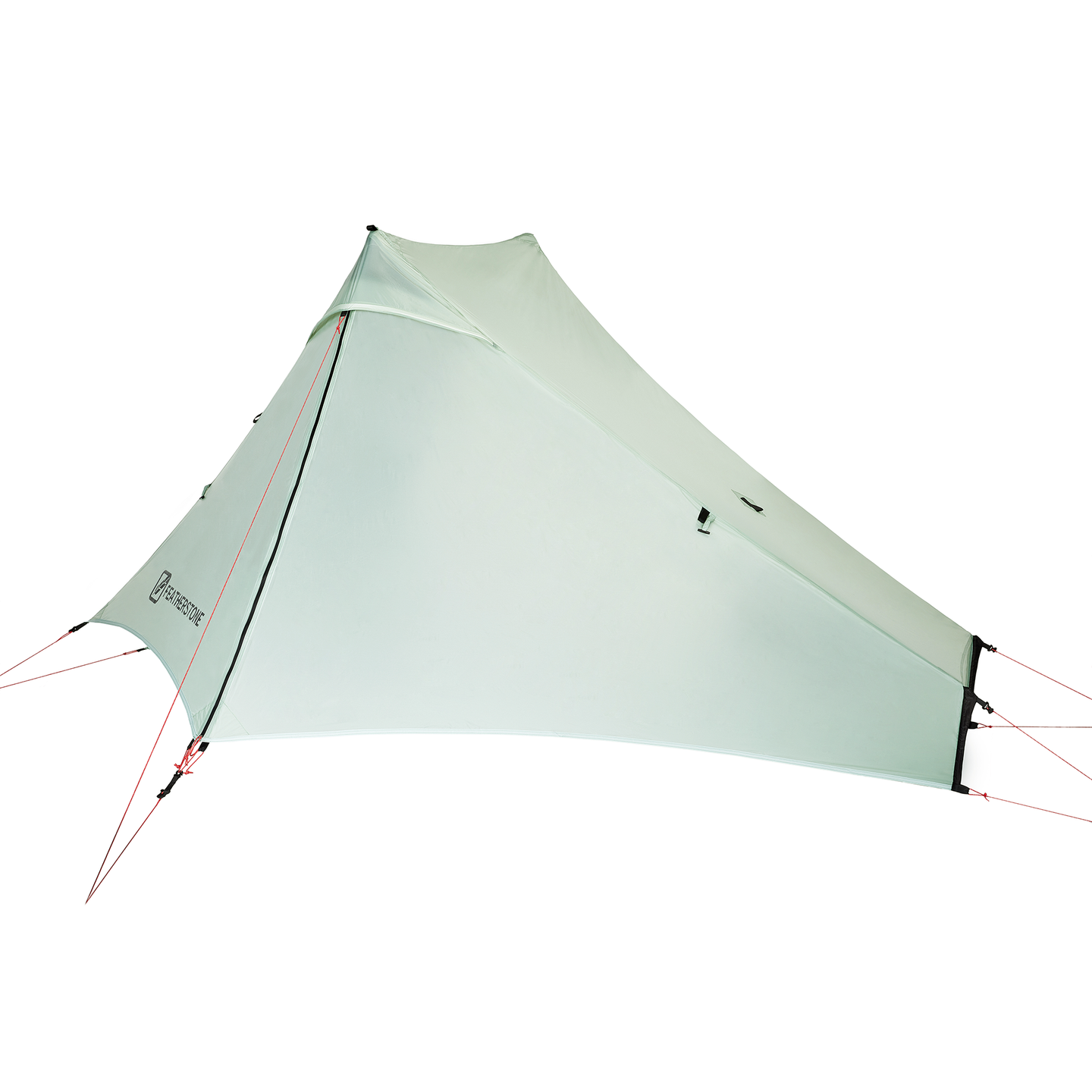
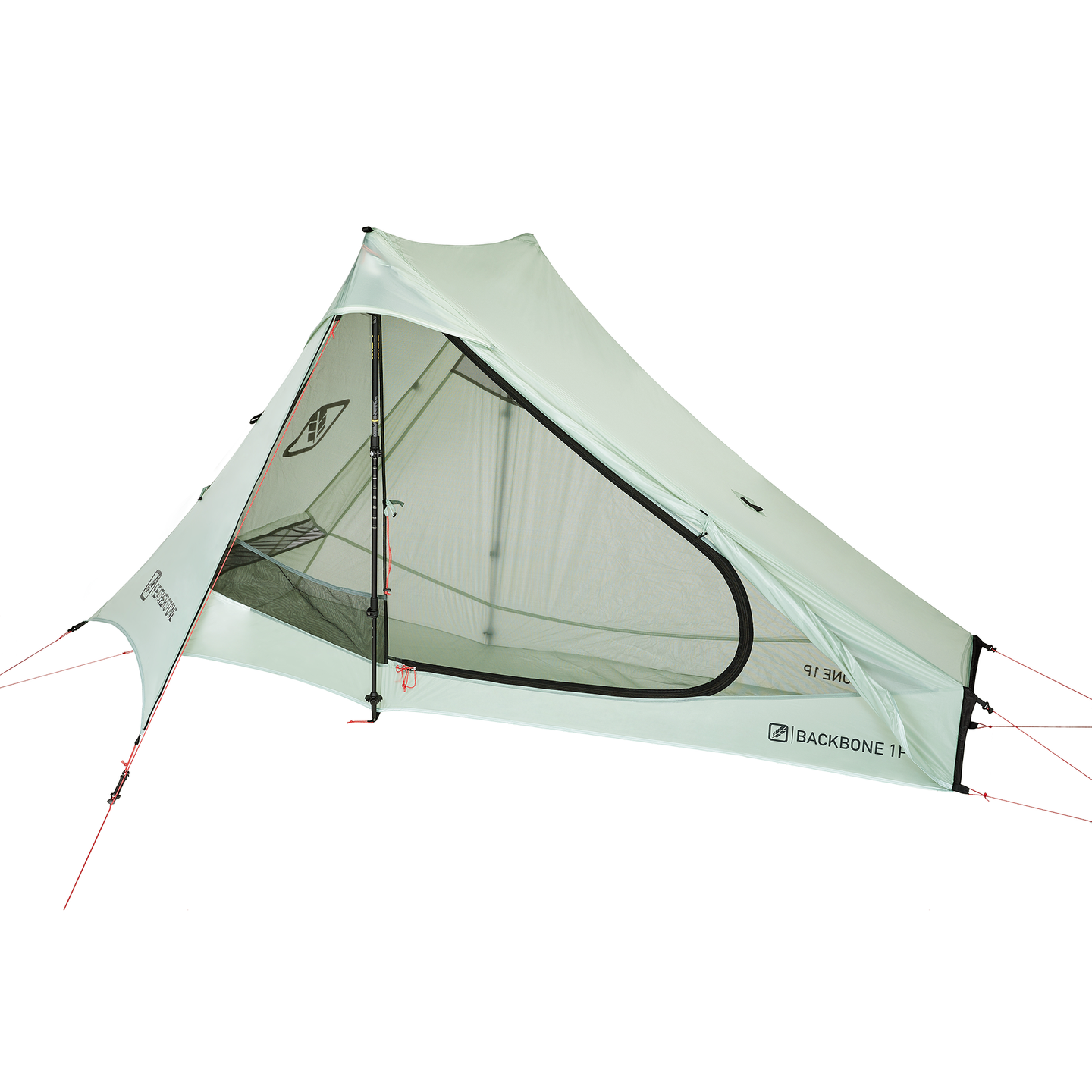
Featherstone Backbone 1P Trekking Pole Tent
Regular price
$179.99


Sold out


Sold out
Caddis HD Portable Camp Chair
Regular price
$69.99
Sold out
New
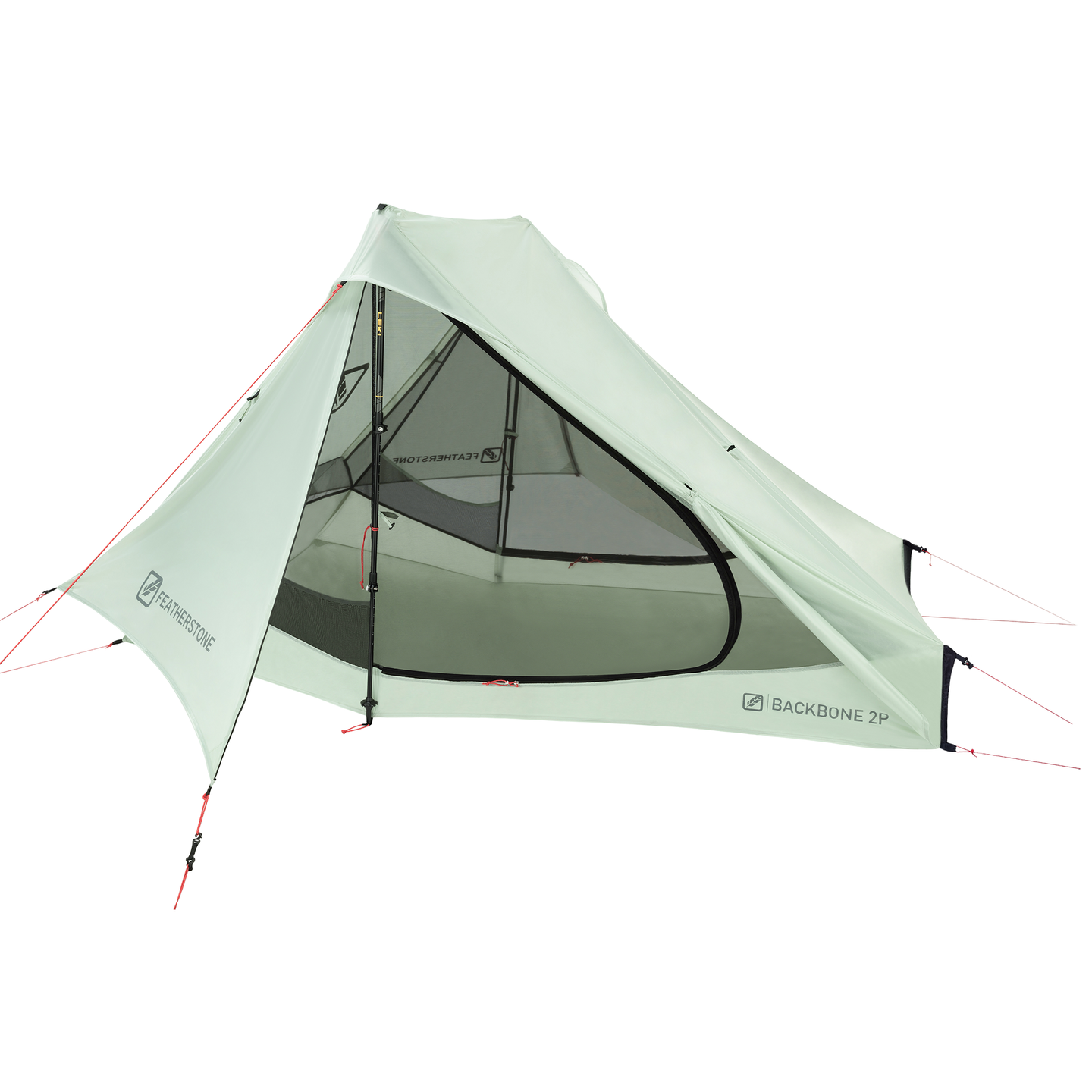
Featherstone Backbone 2P Trekking Pole Tent
Regular price
$199.99


Sold out
Featherstone Moondance 25 Top Quilt Sleeping Bag Alternative
Regular price
From $269.99

Sold out
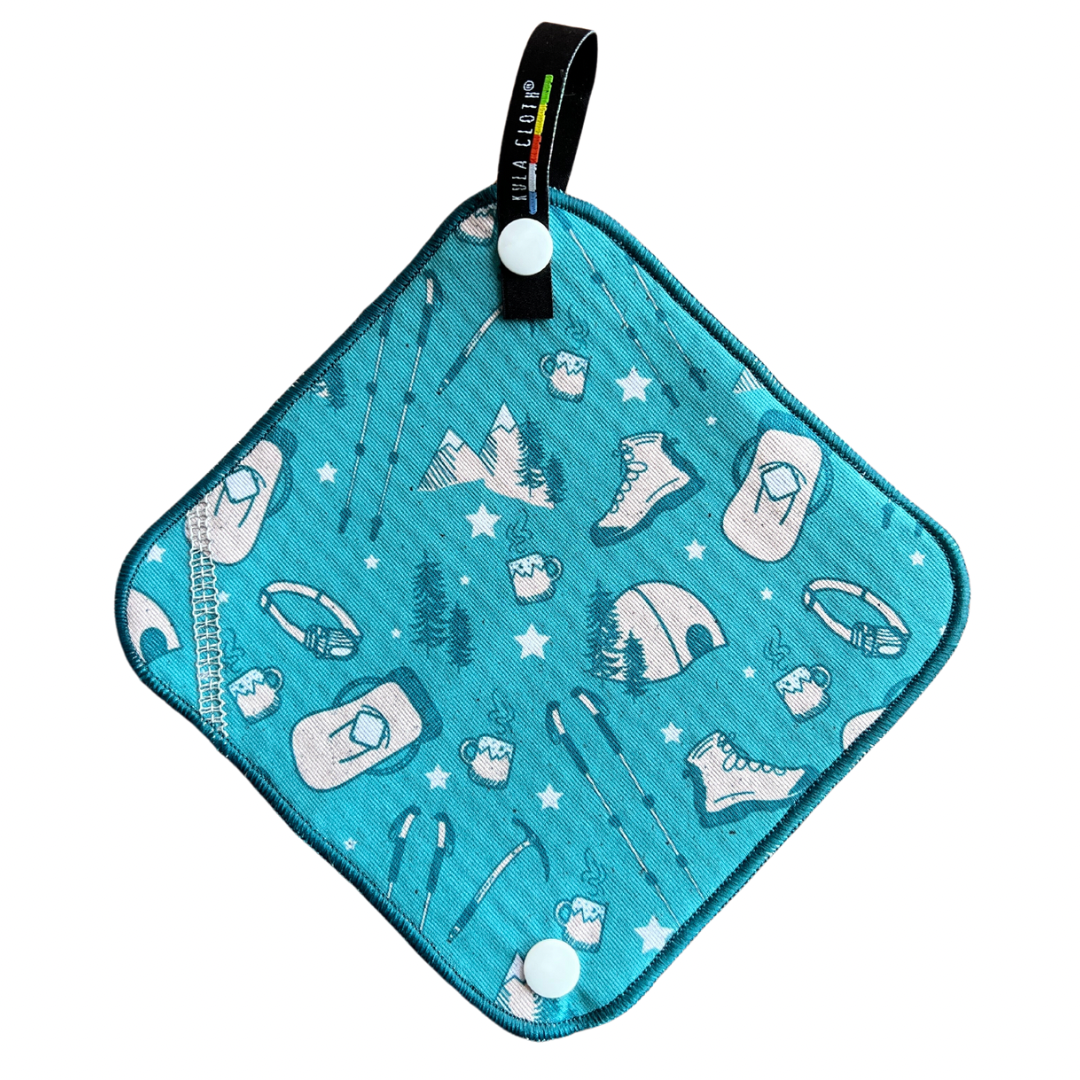
'Camping Gear' Kula - Alpine Sage
Regular price
$20.00
THOUGHTFULLY MADE
CHOOSE COMFORT
Trading comfort for weight is a thing of the past.
We’re committed to designing practical, performance gear to enhance your outdoor experience. By dialing in comfort to your sleep system, individuals can hike longer and venture more.
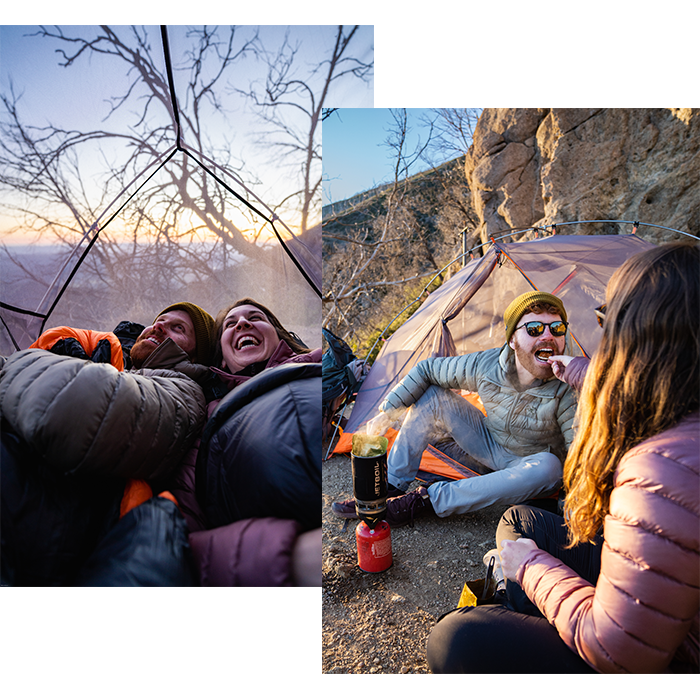
Tested Where It Matters Most
Engineered to Perform. Proven Under Pressure.
At Featherstone, we believe trust is earned through action. We test our designs thoroughly so you don’t have to question them when it matters most.
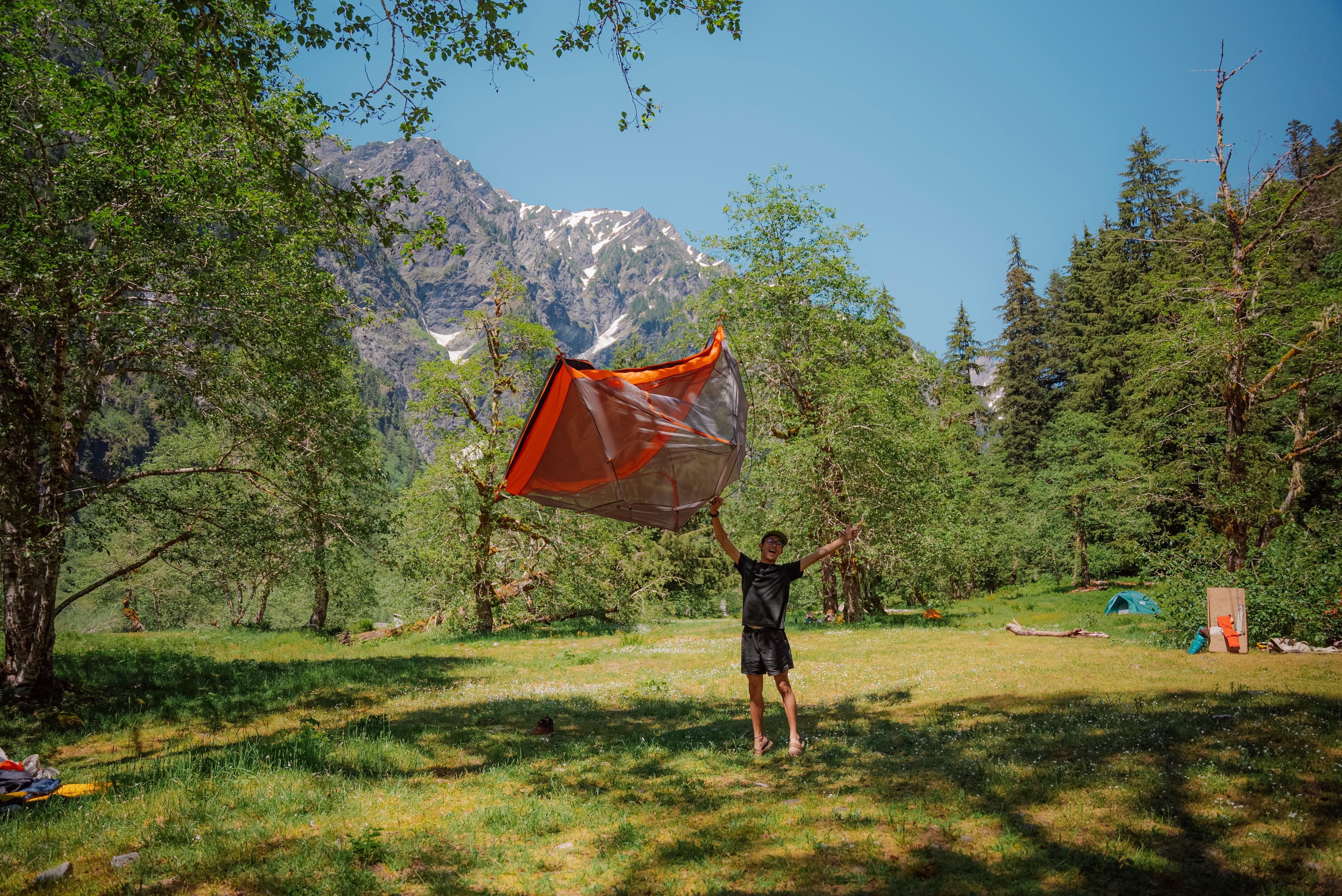
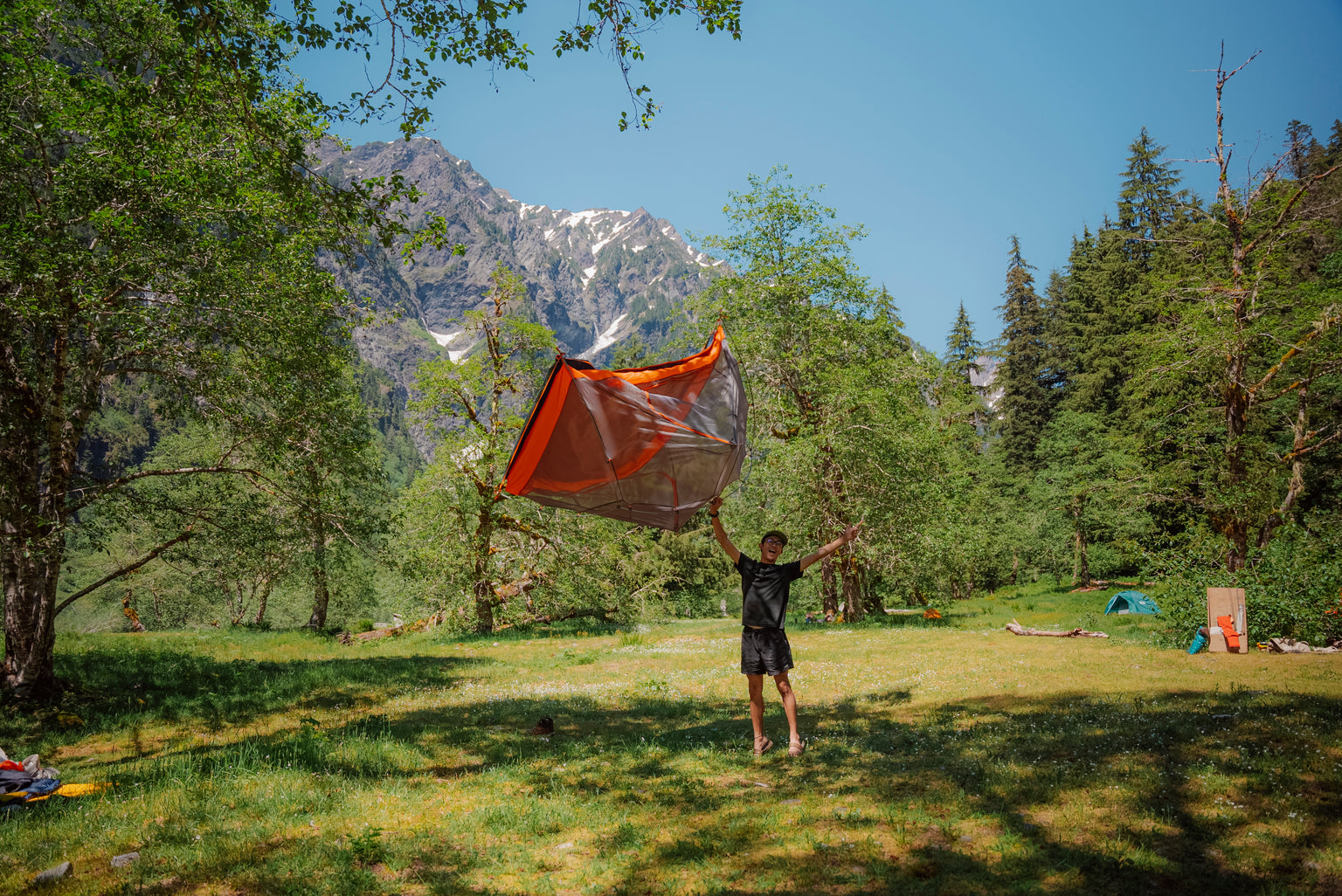
Let customers speak for us
Anonymous
Ordering and delivery are easy and fast. I'll surely buy more products from Featherstone !!
Featherstone Outdoor
CURTISS H.
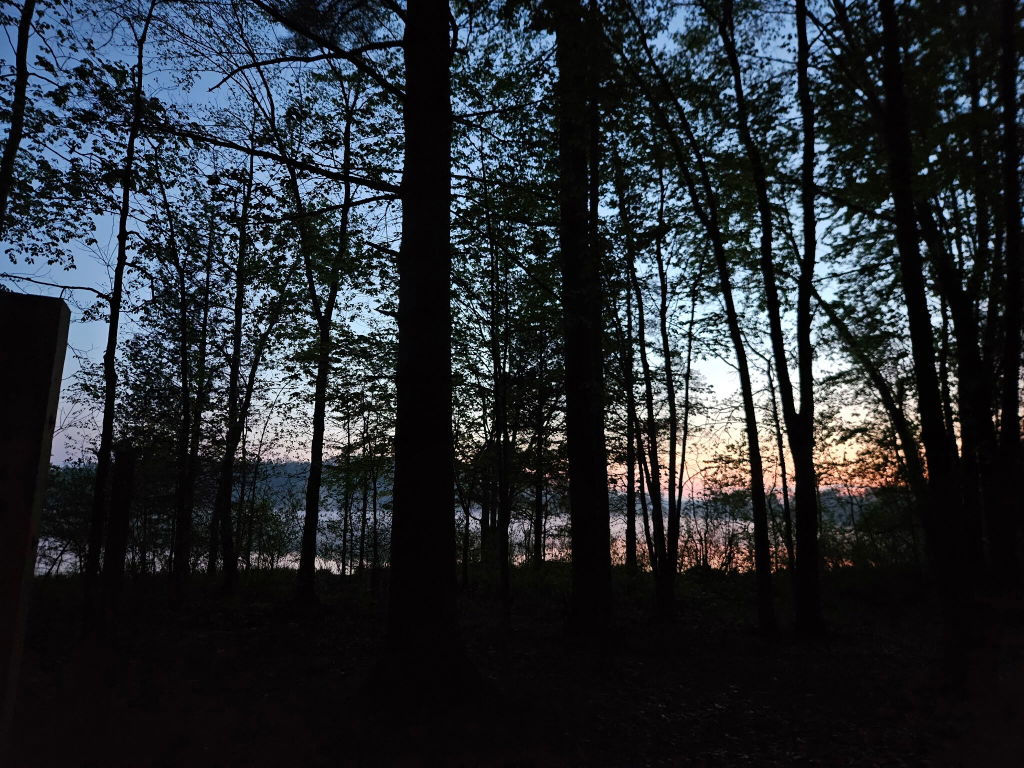
The Featherstone UL Granite 2P rain fly made it possible for me to take my friend on his first backpacking trip comfortably. Since I’m a bigger person, sharing a tent can be pretty cramped, so having a second tent with its own rain fly made a huge difference. We were both able to sleep comfortably in separate tents and stay protected from the weather.
The delivery was fast, and Featherstone always makes the checkout process smooth and easy. Overall, I’m really happy with the purchase and look forward to using it on more trips.
Featherstone UL Granite 2P Rainfly
vincent v.
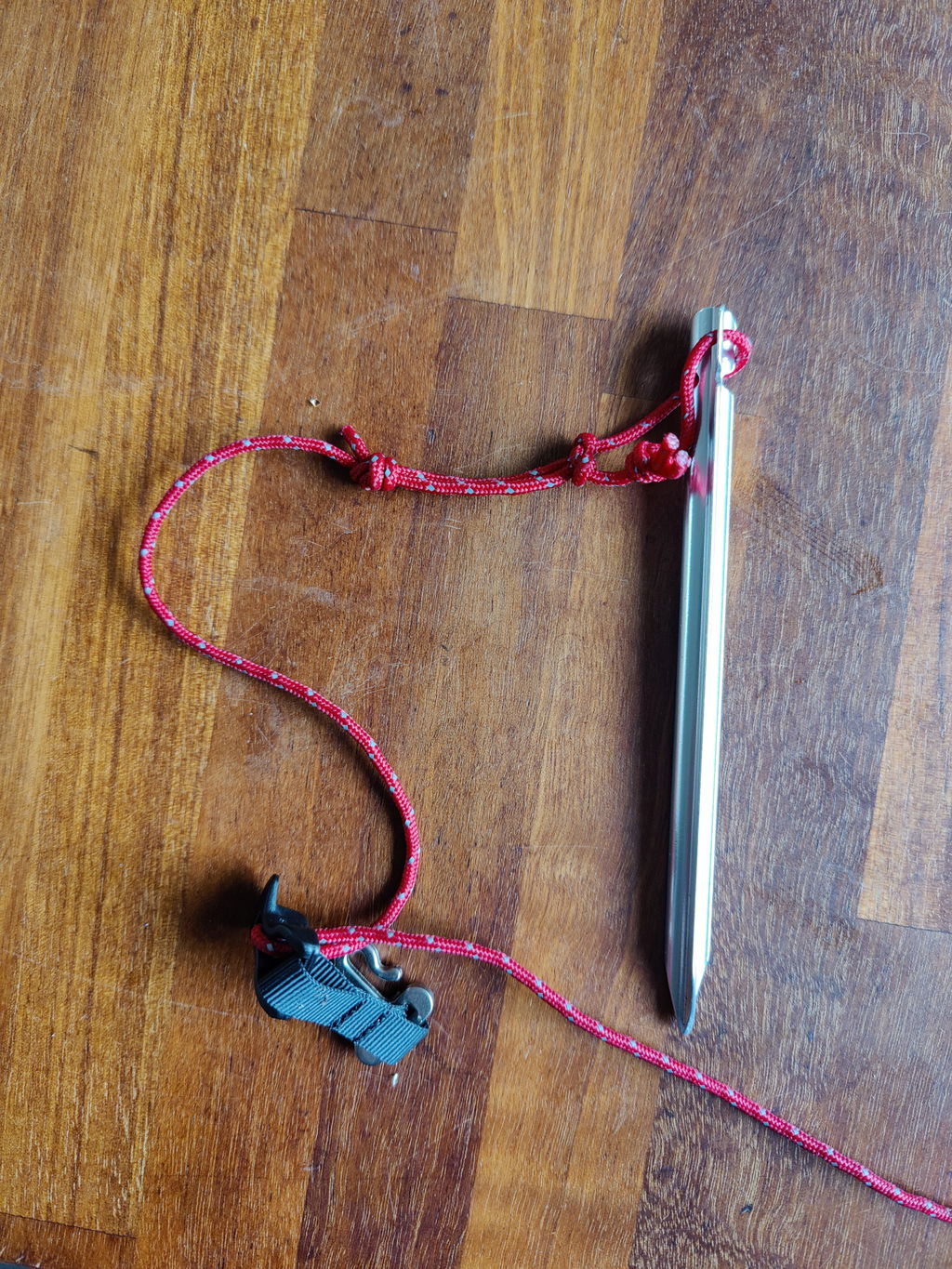
The first impression of the featherstone backbone, slippery fabric and light weight. Despite the fact that it was a windy day at the first set up, it was relatively easy. Initially the tent was secured at the corners, it was upside down. Tent turned around, secured at the corners, walking sticks attached, vestibule expanded, guy ropes tightened and the tent was good. So the tent is easy to set up. Tent is spacious, also the verstibule. What I especially like is that the headboard is partly double-walled. In case your head or belongings are against the cloth, you have no problem in the case of condentation. A point of attention is the loose connecting cord for the vestibule. You can easily lose these. I attached them to a tent peg. Folding the tent with a strong wind is difficult because of the slippery fabric and the weight. Overall I am very satisfied with this tent.
Featherstone Backbone 2P Trekking Pole Tent
Mickey T.
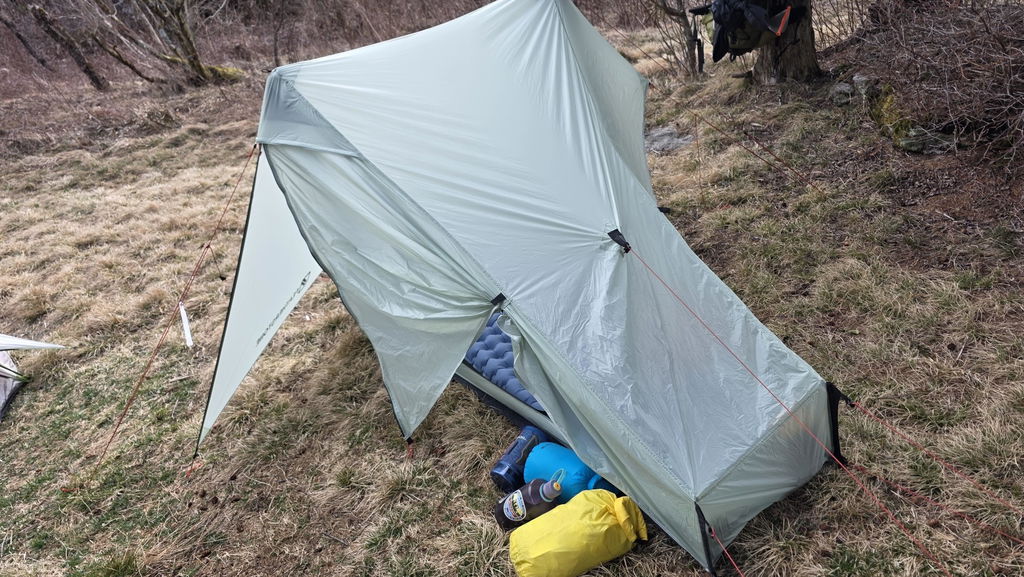
Very easy to set up. Quality materials and seems durable. Seems to be a good products company also.
Featherstone Backbone 1P Trekking Pole Tent
Dawna J.
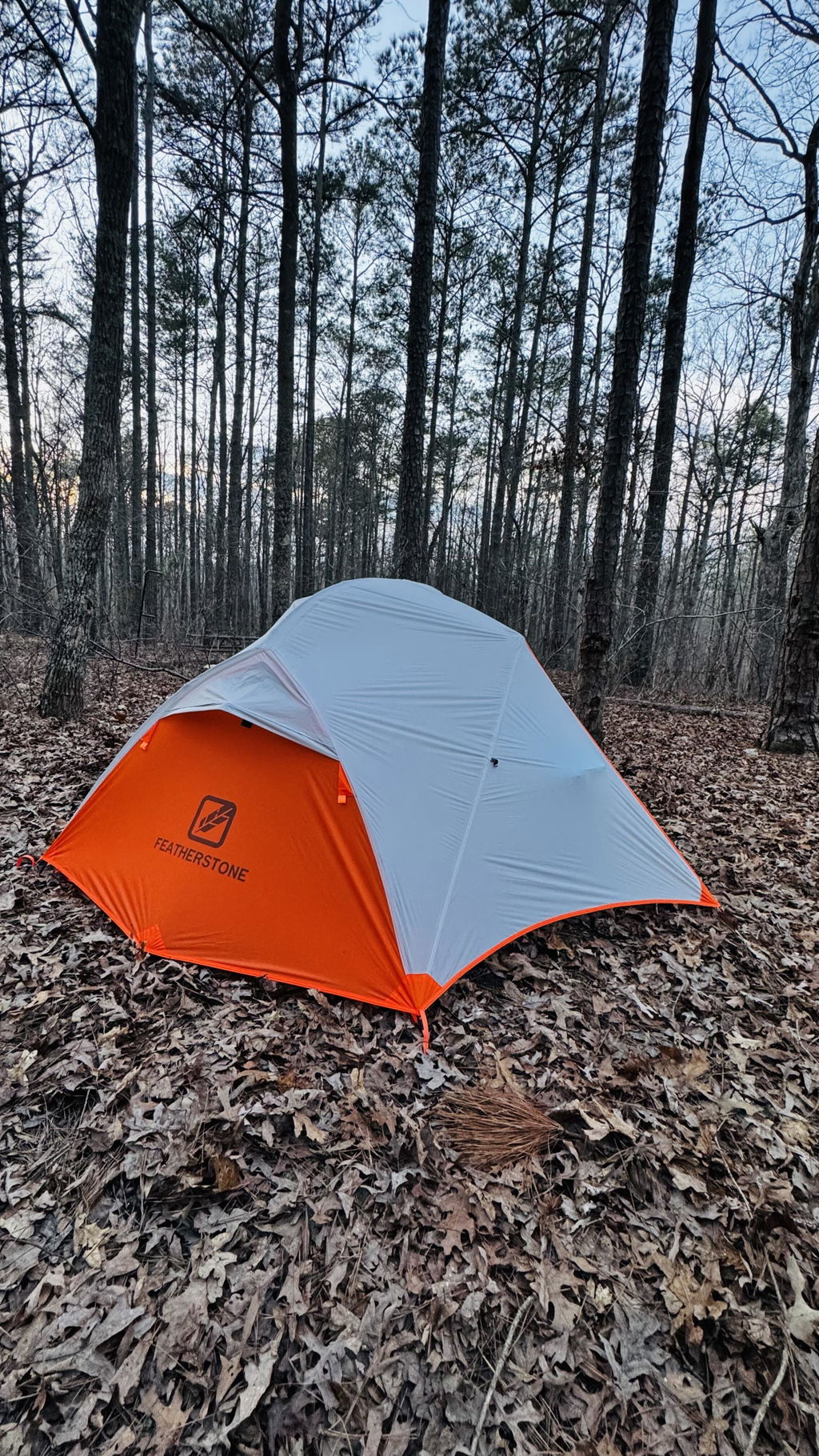
Kept me dry in 3 nights of thunderstorms. I was impressed with this tent, not only was it roomy enough for me and my pack, it kept everything dry.My shoes set outside of the tent under the vestibule stayed dryas despite the pounding rain. Water did get between the footprint and bottom of the tent, yet it never seeped through or felt wet like most other tents. Very happy with this purchase.
Featherstone Granite 2P Backpacking Tent
Nikole
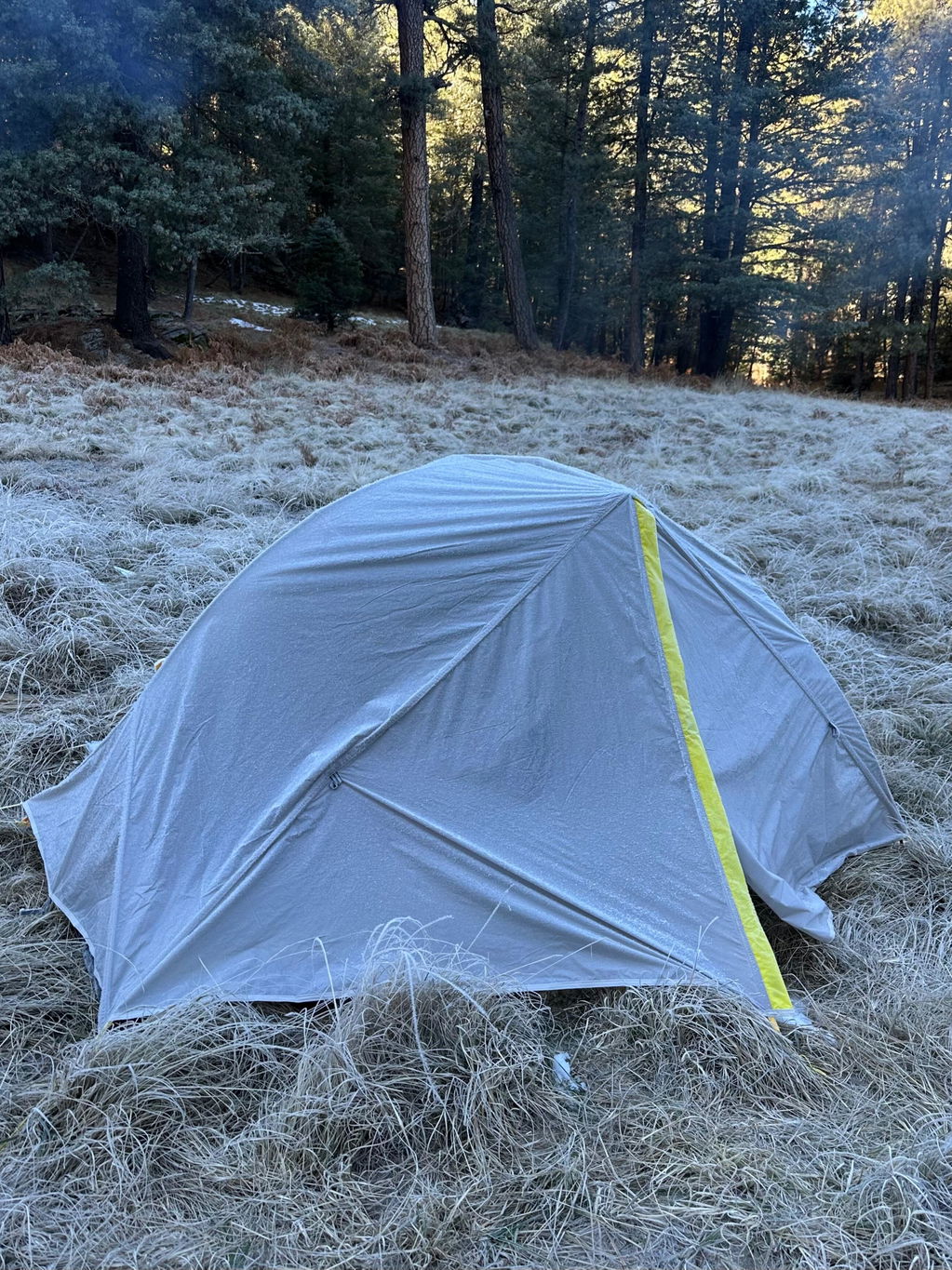
This tent is awesome! I chose this setup because it has a good amount of room. I can fit my 25” wide sleeping pad along with my backpack and other gear! It’s easy to setup and take down, I didn’t have any issues with the pole setup.
It’s first time use was in about higher 20° weather on frosted ground and it held up pretty well. It had a little sag in the morning from the frost build up but I stayed nice and dry all night!
Featherstone Obsidian 1 Person Backpacking Tent
Jacob
Great value for the money
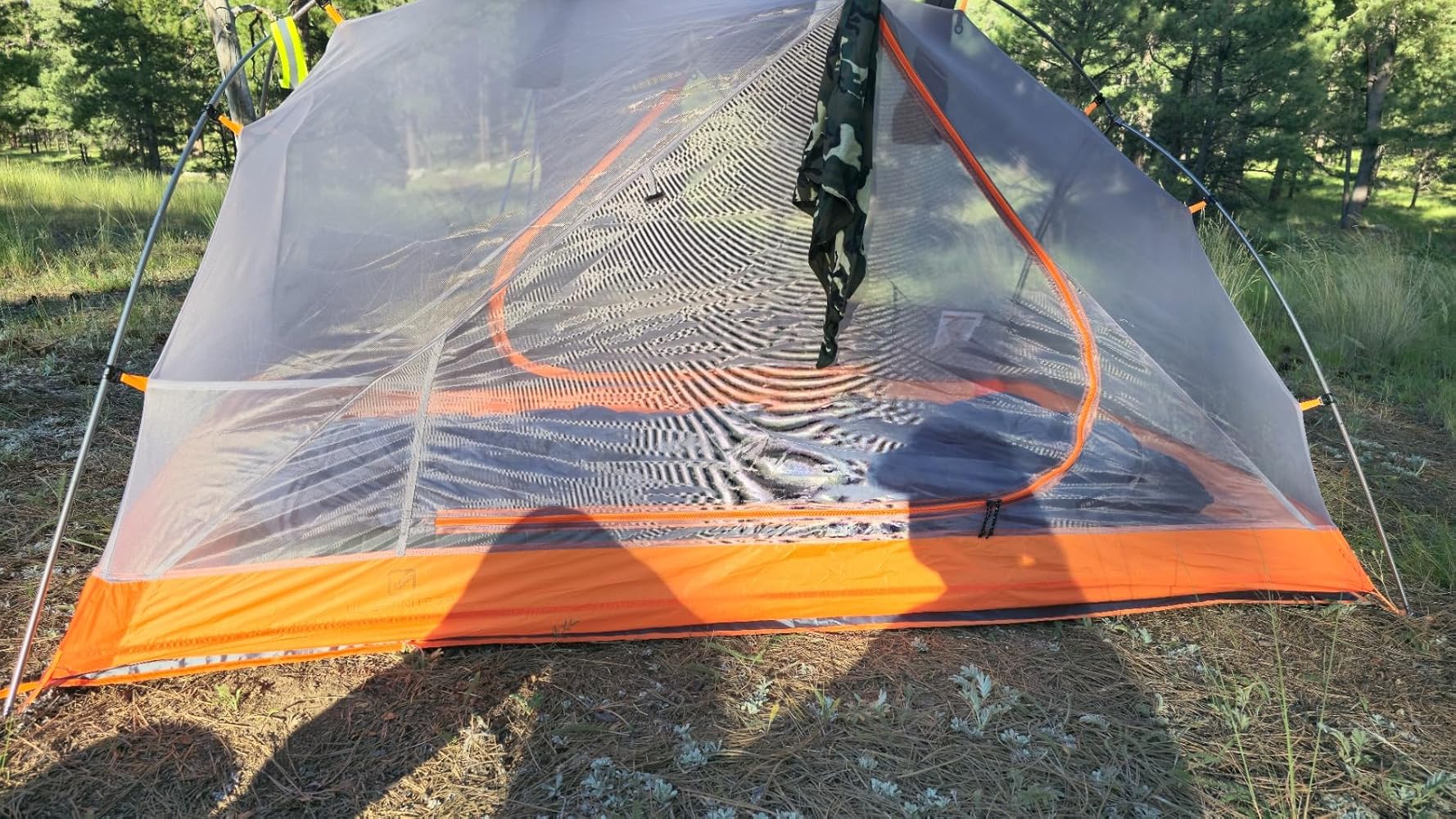
I purchased this tent for a backpacking trip and needed something that was both light and spacious enough for my 6'6" frame. The featherstone did not disappoint!First off I absolutely love the organge color. I'm not a backpacker who likes my camp to blend in with the surroundings. When I'm off gathering firewood it's nice to be able to see the tent from a good distance.Setup was super quick. I did a test run in living room and got everything setup within 10 min. I think on trail it was a little less once I knew the process with this particular setup.The poles seem sturdy and I love how much headroom I got with the 2 person. More than enough room for myself so I'm super happy I got this one. For my size I think the 1 person would have been a little tight.The tent seemed warm enough. It's not double layered, but seems to hold up good in the mid 60s.While on my trip I experienced two heavy thunderstorms and the rain fly held up really well. Absolutely no leaks of any kind. I used the included footprint which definitely helped reduce moisture.My most favorite thing about this tent are the double vestibules. It's such a great feature to have. One side I can keep my gear in during the rain and the other I can use for cooking or entry and exit. Such a great thing to have in my opinion.The stakes are solid and extremely light which I really appreciate. On longer trips I like to leave them at home.One gripe I have with the tent is that the guylines are black. This makes it nearly impossible to walk around at night without tripping over the lines. I did get a little bit frustrated with that. The tent maker can change this easily enough so I would highly suggest they do that.I can't speak for the durability over time yet, but overall I'm super happy with this tent and I'm looking forward to more trips with it!
Featherstone Granite 2P Backpacking Tent


Protecting the places we adventure
Featherstone & Climate Partner


Subscribe to our newsletter
Provide additional information about your newsletter and explain the benefits of subscribing to it.